
Evidence Your Attorney Will Need After a Maritime Injury

Gather medical records, voyage and incident logs, photos of the scene and injuries, witness statements and contacts, training and inspection records, payroll/job records, and any preserved equipment or PPE. These items form the foundation of liability and damages proofs. Provide documents early to let your attorney launch investigations, subpoena records, and preserve perishable evidence.
When Should You Hire a Maritime Attorney After an Injury?

Hire an attorney as soon as possible—early counsel helps preserve evidence, meet filing deadlines, coordinate medical documentation, and identify all responsible parties. Prompt legal involvement also aids in navigating maintenance and cure, insurance claims, and government reporting. If your employer delays reporting or denies benefits, consult counsel immediately to protect your rights.
How Much Does a Maritime Lawyer Cost? Understanding Fees and Contingency

Most maritime lawyers offer a free initial consultation and handle cases on contingency—no attorney fee unless you recover. Contingency percentages and whether the firm advances costs vary, so ask about fee structure and cost advances upfront. A clear fee agreement will outline attorney percentages, expense reimbursement, and client responsibilities.
Disability Benefits After a Maritime Injury — Temporary and Total Benefits

You may be eligible for temporary partial/total disability or permanent disability benefits depending on injury severity, employer insurance, LHWCA coverage, or litigation results. Benefit amounts and duration vary by program and diagnosis. Keep detailed medical and wage documentation and consult counsel to maximize benefits and protect future earning-capacity claims.
LHWCA and Workers’ Compensation for Maritime Workers, Who’s Eligible?

Non‑seaman maritime workers—longshore, harbor, and certain shoreside employees—may qualify for LHWCA benefits, which function like workers’ compensation for covered injuries. Eligibility depends on employment status, where the injury occurred, and job duties. If you’re unsure whether you’re a seaman or LHWCA-covered worker, get an attorney’s review to determine the correct benefit system and claim process.
Types of Damages in Maritime Injury Cases. What You Can Recover
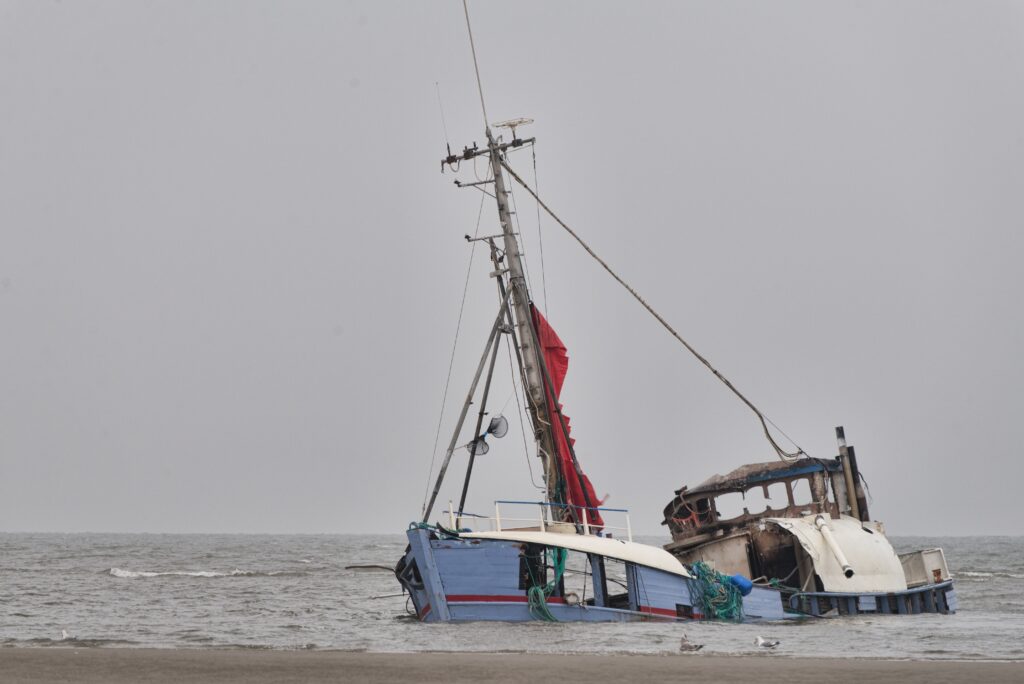
Maritime plaintiffs may recover medical expenses, lost wages and future earnings, pain and suffering, and in limited cases punitive damages. Wrongful death actions can include funeral costs and loss of support. Document all losses and work with medical and economic experts to quantify present and future damages accurately.
Will My Maritime Case Go to Trial or Settle? What to Expect

Many maritime cases settle by negotiation or mediation; however, contested liability, complex damages, or uncooperative insurers can lead to trial. Case complexity, parties involved, and available evidence shape the path. Your lawyer will evaluate settlement offers versus litigation risk and may recommend expert witnesses or trial preparation if settlement is unlikely.
Statute of Limitations for Maritime Claims — Don’t Miss Deadlines

Deadlines for maritime claims vary by claim and jurisdiction. Many maritime personal‑injury claims use a three‑year statute of limitations, but LHWCA, wrongful death, and contract claims may have different time limits. File early and consult an attorney promptly to preserve rights and meet evidence‑preservation obligations. Missing a deadline can bar your claim entirely.
Understanding Unseaworthiness and How It’s Proven

Unseaworthiness occurs when a vessel, its gear, or crew is not reasonably fit for service. Proving it requires evidence that the unsafe condition existed and caused the injury, such as maintenance records, inspection reports, and witness testimony. Unseaworthiness claims often proceed alongside Jones Act claims and can increase potential recovery against vessel owners. Preserve the […]
Who Can Be Sued After a Maritime Injury? Identifying Defendants
Potential defendants include vessel owners/operators, third‑party contractors, equipment manufacturers, charterers, and shoreside employers. Liability depends on who owed duties and whose negligence or defects caused the injury. A thorough investigation logs, maintenance records, crew interviews, and expert review—will identify responsible parties and legal strategies.